The One-Video Trap
Here's how it usually goes. A business owner finally decides to invest in video. They hire a videographer, spend a chunk of budget, and get back one polished 90-second brand film. It goes on the homepage. It gets posted once on Facebook. Everybody says it looks great.
Then nothing happens for eight months.
The video was fine. The strategy was the problem. You paid for a finished product when what your business actually needs is raw material — a deep library of footage you can cut, recut, and repost for the next year without booking another shoot.
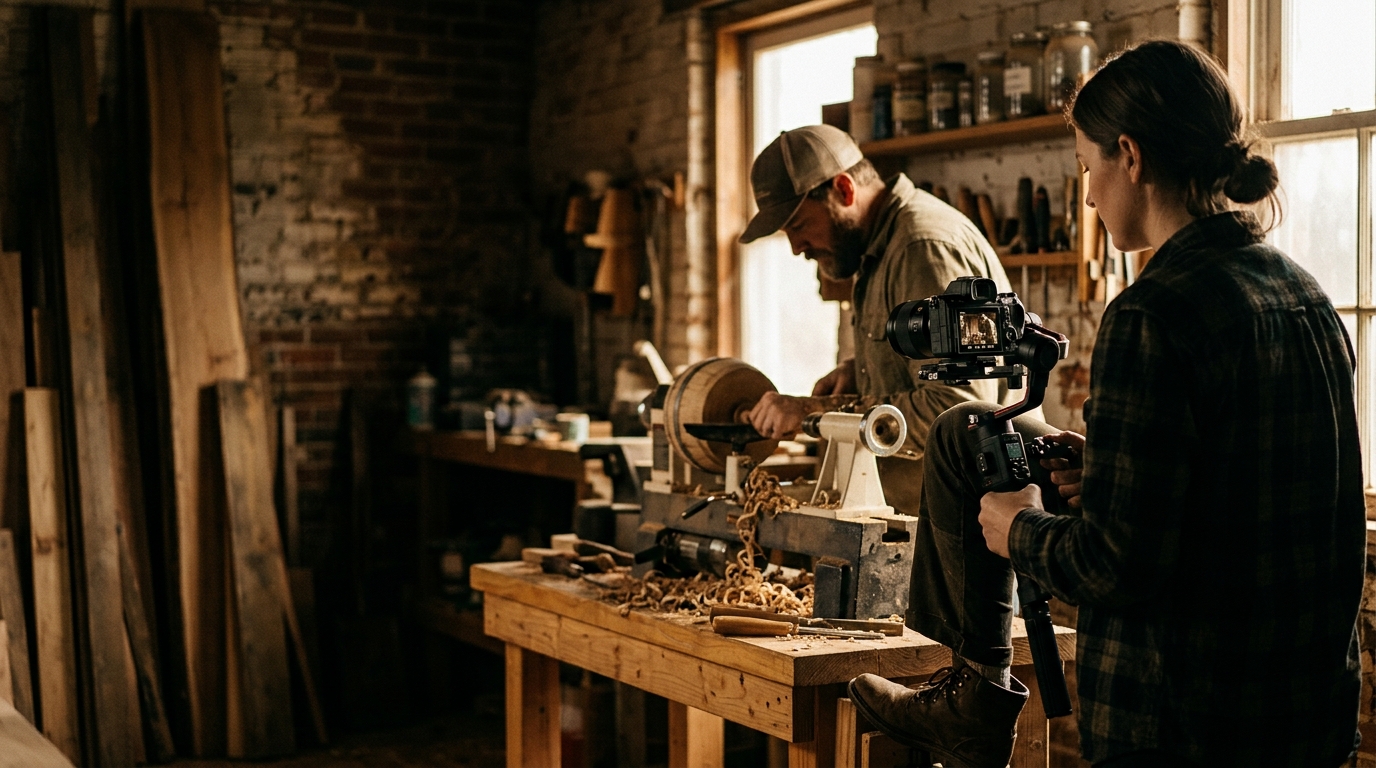
That's what a b-roll day is. One half-day of filming, no script, no on-camera talking, no hero edit. Just a videographer walking through your business capturing your people, your process, and your place from every useful angle. You walk away with 200+ usable clips instead of one video.
The math is obvious once you see it. And most Kentucky businesses have never been offered this option because most videographers sell finished videos, not libraries.
Why B-Roll Beats a Hero Video for Most Small Businesses
A hero video is a single asset. A b-roll library is an input to hundreds of assets.
Think about everything you need video for over the next twelve months:
- Instagram Reels and TikToks
- Facebook and Instagram ad creative
- Website background loops and section headers
- Google Business Profile posts
- Email header GIFs
- Hiring and recruiting posts
- Testimonial videos that need cutaways
- Seasonal promotions
Every one of those needs footage. If you only own one edited video, you're stuck reposting the same 90 seconds or scrambling to film something on your phone at the last minute. If you own a b-roll library, every single one of those posts is an editing task instead of a production task.
That's the real win: you decouple content creation from scheduling a shoot. No more waiting three weeks for a crew to have availability so you can announce a sale.
There's also a quality argument. Phone footage shot in a hurry looks like phone footage shot in a hurry. Professionally lit, properly composed b-roll of your shop floor still looks professional when you cut it eleven months later on a Tuesday morning.
The Five Shot Categories You Must Capture
Don't walk into a b-roll day and wing it. A shoot without a shot list produces 40 clips of the same thing and zero clips of the thing you actually needed in March.
Here are the five buckets to build your list around.
1. People
Faces build trust faster than anything else you can film. Capture:
- Team members working, focused, not looking at the camera
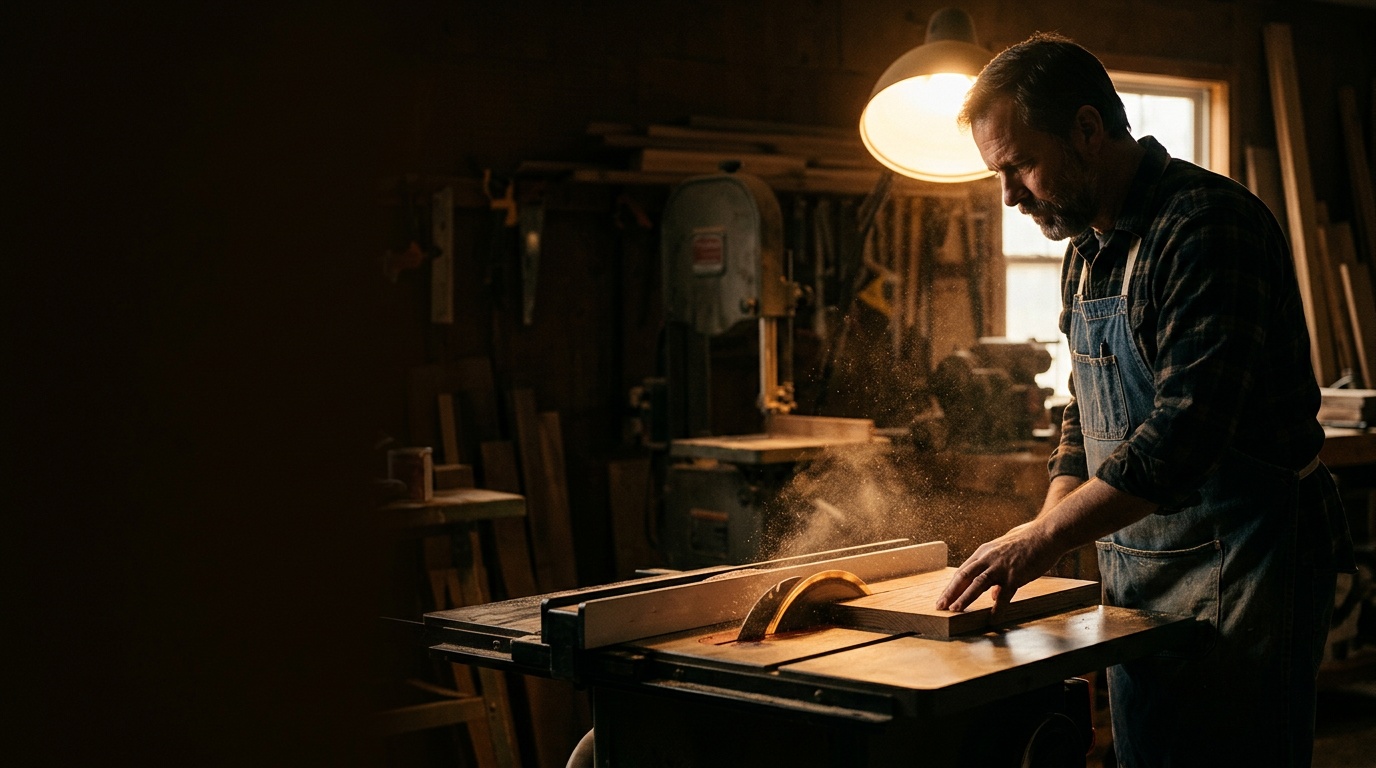
- Hands doing skilled work — close and tight
- Genuine interactions between staff, and between staff and customers
- Someone laughing, someone concentrating, someone explaining something
- A slow walk-in shot of a team member entering the building
The rule: no posing. Posed staff photos look like stock imagery. Ask people to actually do their job while the camera rolls.
2. Process
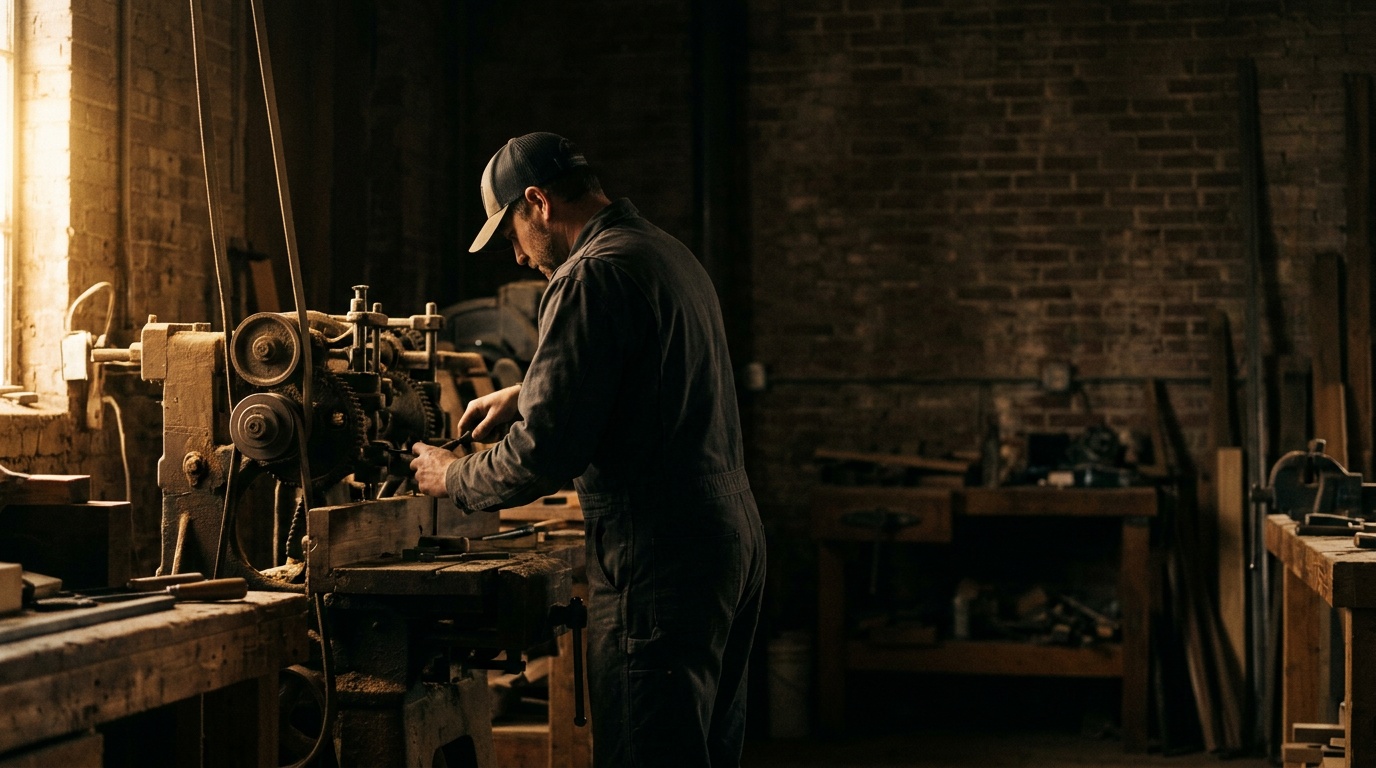
This is the most undervalued category and the one that performs best on social. People are fascinated by how things get made, fixed, cooked, cleaned, installed, or diagnosed.
Break your core service into steps and film each one:
- The setup — tools laid out, equipment powering on, materials arriving
- The work itself, from wide, medium, and macro-close
- The transformation moment — before and after, if applicable
- The finish — packaging, handoff, cleanup, final inspection
If you run a service business, film a full job start to finish. That single sequence becomes a dozen separate posts.
3. Place
Your building, your street, your town. This is where being a Kentucky business is an actual advantage — local footage signals local business, and local business wins local searches and local trust.
- Exterior of your building at a good hour
- Signage, front door, parking lot
- Interior wides that establish the space
- Details that make your space yours — the neon sign, the worn workbench, the front counter
- Recognizable local landmarks if you're comfortable being tied to a location
Businesses in London, Corbin, Somerset, Richmond, and Lexington all have visual identity worth putting on camera. Use it.
4. Product and Detail
Tight, clean, slow shots of whatever you sell. Rotating product shots. Textures. Labels. Packaging being opened. Menu items being plated. Inventory on shelves.
These are the clips that fill gaps in edits and make ads feel premium. Overshoot here — detail clips are cheap to capture and endlessly useful.
5. Motion and Transitions
The connective tissue. Every editor needs these and every unprepared shoot forgets them.
- Door opening, door closing
- Push-in and pull-out moves on a static subject
- Whip pans you can cut between shots
- Overhead top-downs
- Someone walking through frame to hide a cut
- Vehicle pulling in or driving off
Ask your videographer to shoot everything at a higher frame rate where it makes sense. Slow-motion b-roll is more flexible than real-time b-roll — you can always speed it up, but you can't invent frames you never captured.
How to Actually Organize the Footage
This is the step almost everyone skips, and it's the step that determines whether your library gets used or rots on a hard drive.
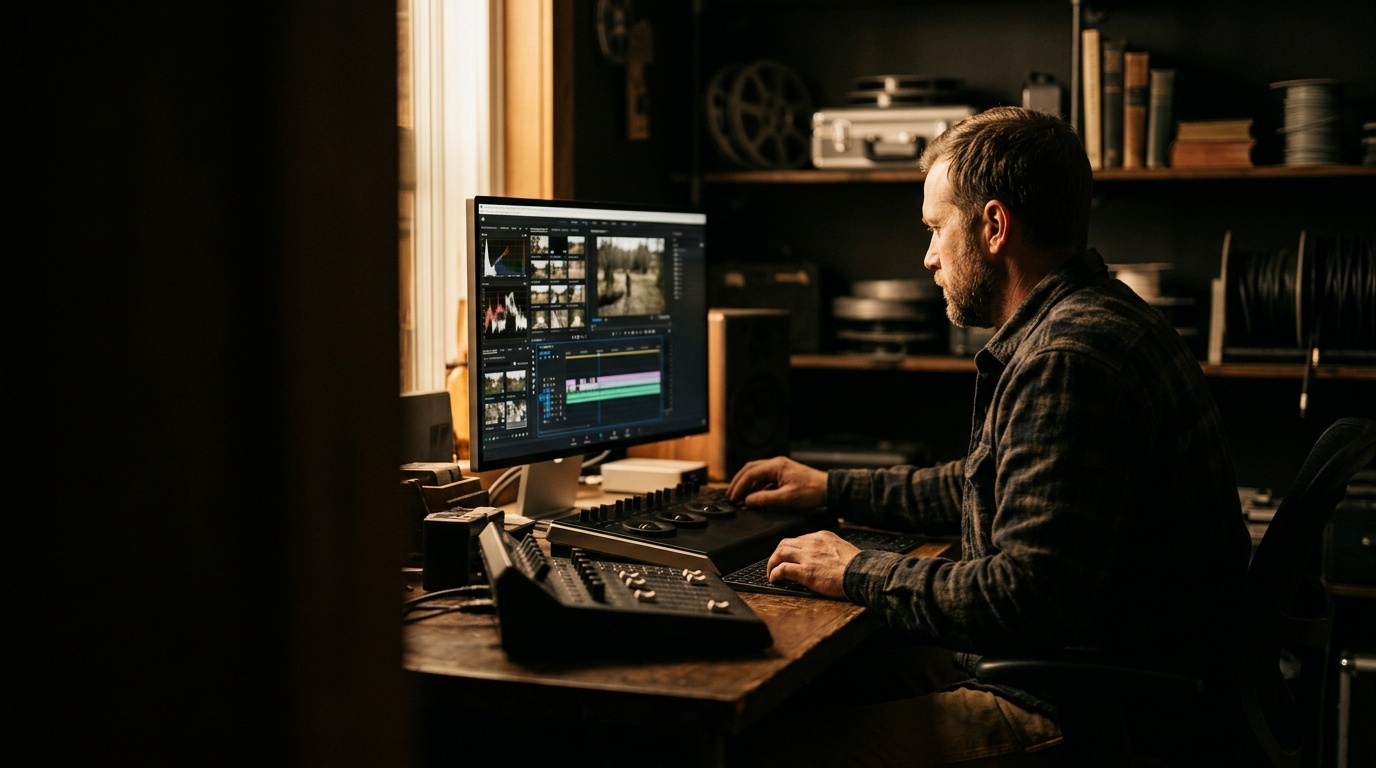
Unorganized b-roll is worthless. If finding the right clip takes twenty minutes, you'll shoot on your phone instead.
Build a folder structure before the footage arrives
Keep it dead simple and category-first:
/BRoll_Library_[Year]
  /01_People
  /02_Process
  /03_Place
  /04_Product
  /05_Motion
  /06_Selects
Your videographer should deliver into this structure. Ask for it in the contract.
Name files so you can search them
A filename like MVI_0847.mp4 is useless. A filename like process_handsWelding_closeup_slowmo_01.mp4 tells you everything without opening it.
Use a consistent pattern: category_subject_shotsize_notes_number. Then a plain text search across your drive gets you what you need in seconds.
Create a "Selects" folder of your 25 best clips
Most of your posting will pull from a small pool of hero clips. Pick the 25 strongest and copy them into one folder. This is what you or your editor opens first, every time.
Keep two copies and one working set
Full-resolution master files on cloud storage or an external drive. Compressed, social-ready versions in a shared folder your team can grab from on a phone. If your marketing person has to request footage from you, the system has failed.
Turning One Afternoon Into a Year of Content
Now the fun part. Here's how a single library becomes a content calendar.
Weekly social posts
Take one process sequence and cut it three different ways:
- A 15-second silent loop with text overlay for Reels
- A 30-second version with a voiceover explaining the step
- A carousel of freeze-frames pulled from the same clip
That's three posts from one sequence. Do that across ten sequences and you've got a quarter of content. Pair it with consistent social management and the posting takes care of itself.
Paid ad creative
Ad platforms burn through creative fast. Your library lets you test variations without new production:
- Same offer, three different opening hooks
- Same edit, different first three seconds
- People-focused version vs. product-focused version
Creative fatigue is the number one reason ads stop working. A b-roll library is the cheapest fix for it.
Website and landing pages
Silent background loops in your hero section. Short clips embedded next to service descriptions. A 20-second "who we are" cut on your about page. All from the same shoot.
Hiring content
Nobody thinks about this until they need it, and then they need it urgently. Footage of your team working, your space, and your culture becomes a recruiting video in an afternoon.
Seasonal and reactive posts
Big local event? Weather emergency? Holiday promotion? You can post something on-brand and professional the same day, because the footage already exists.
How to Book the Shoot Right
A b-roll day is a different brief than a hero video, and you need to communicate that clearly.
Do this before the shoot:
- Write your shot list using the five categories above. Aim for 8-12 specific shots per category.
- Pick a day when your business is actually running. Empty shops film beautifully and communicate nothing. Real activity is the point.
- Tell your team what's happening. Not so they perform — so they don't freeze up.
- Clean and stage the space. Cables, clutter, expired signage, and full trash cans all end up in frame.
- Block 4-5 hours, not 90 minutes. Volume is the whole objective.
- Specify your deliverables in writing: raw or lightly graded clips, organized folders, named files, plus compressed social versions.
And ask one question up front: "Am I getting the raw footage, or just the edit?" If a videographer won't hand over organized raw clips, they're selling you a product when you need an asset. Our videography work is built around handing you a library you own and can actually use.
Do It Once, Then Do It Again in Six Months
One b-roll day covers you for a long stretch. But your business changes — new equipment, new staff, new season, new services. The smart cadence is two b-roll days a year, spring and fall. Different light, different activity, fresh faces.
That's it. Two afternoons a year and you never scramble for content again.
The businesses that dominate local feeds aren't filming more than you. They're editing more than you — because they built the library first.
If you've been sitting on the idea of "we should do some video," stop planning the one perfect video and go get the raw material instead. Book a strategy call and we'll map out your shot list, plan the half-day, and show you exactly how to turn one afternoon into a year of content your business can actually use.
 Cody NottinghamFounder & Director of Photography, Envision Media Co. · London, KY
Cody has run camera on 300+ shoots for 50+ businesses across southeastern Kentucky since 2022, from Somerset marinas to Corbin contractors to Lexington retail. He still shoots most jobs himself, which is where the specifics in these posts come from. More about Cody.