The Video Isn't the Deliverable. The Distribution Is.
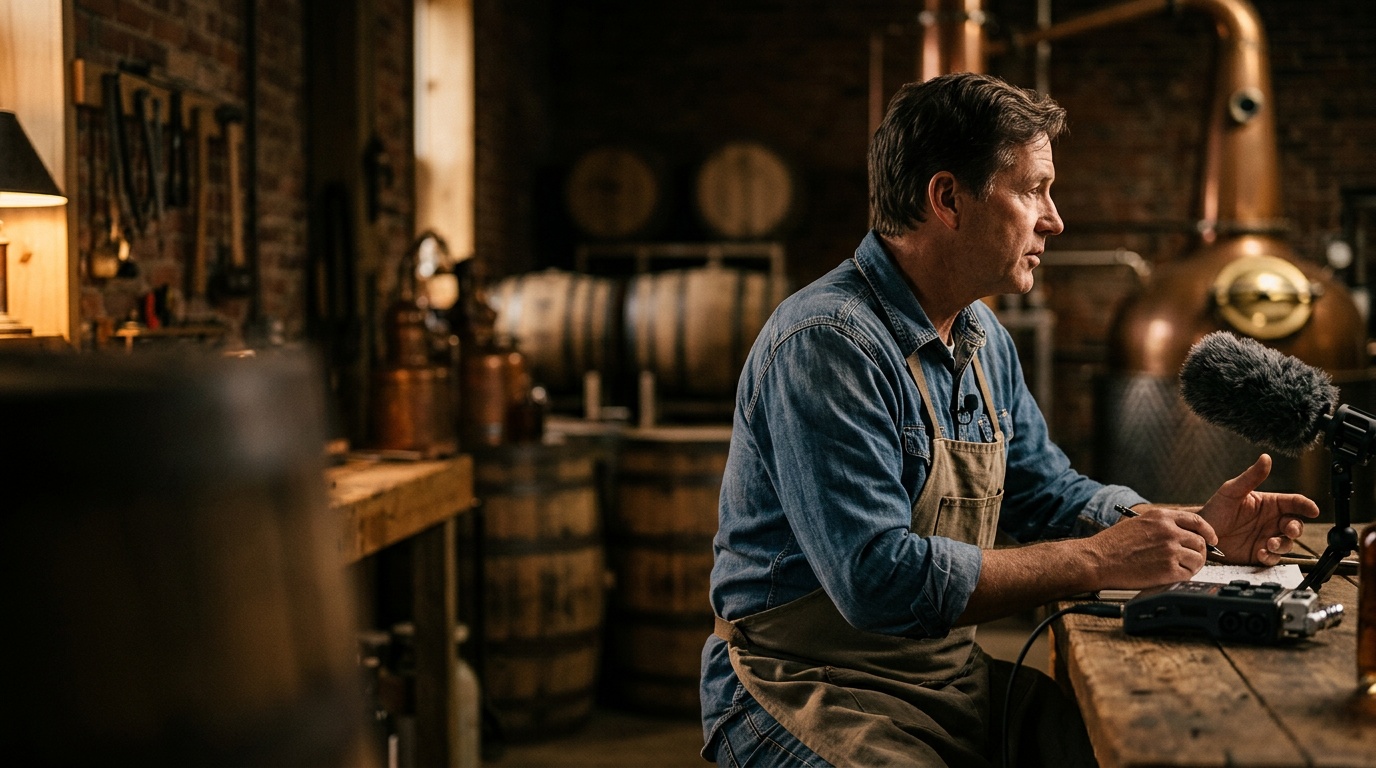
Here's what usually happens. You spend weeks planning a brand video. You block off a shoot day. You get the crew in, the lighting right, the owner on camera saying the thing you've been trying to say for three years. Two weeks later, a file lands in your inbox.
You post it on Facebook. Maybe you throw it on the homepage. You get some likes from people who already do business with you.
And then it dies.
Not because the video was bad. Because nobody planned what happens after. The shoot gets a production schedule, a shot list, and a call sheet. The distribution gets a vague intention. That's backwards, and it's the single most expensive mistake we see businesses make with video.
A brand video is an asset, not a post. Assets get deployed on a schedule. Here's the 90-day plan for doing that properly.
Why Distribution Deserves More Planning Than the Shoot
Think about where the money actually goes. The shoot is one day. The edit is a couple of weeks. But the video is supposed to work for you for the next two to three years — on your website, in your email sequences, in your ads, in the moment a prospect is deciding whether to call you or the other guy.
The shoot determines whether you have something useful. Distribution determines whether anyone ever sees it.
There's a second reason, and it's the one that changes how you shoot: if you plan distribution first, you shoot differently. You know you need vertical cutdowns, so you frame for it. You know you need a 15-second version for ads, so you make sure the hook lands in the first three seconds of the interview. You know the sales team wants a clip that answers the "why are you more expensive?" objection, so you ask that question on camera.
Plan the distribution after the shoot and you're stuck editing around what you happened to capture. Plan it before and the shoot becomes a harvest.
Before You Shoot: Build the Asset List
Walk into the shoot day knowing exactly what files you need out of it. A reasonable list for a single brand shoot looks like this:
- One hero video — 60 to 90 seconds, the flagship piece for your homepage
- One short cut — 30 seconds, for ads and email
- One ultra-short — 15 seconds or less, vertical, hook-first
- Six to ten social clips — 20 to 45 seconds each, one idea per clip
- A silent, text-on-screen version of the hero for feeds where sound is off
- 15 to 25 still frames pulled from the footage for social posts, email headers, and your Google Business Profile
- B-roll library — raw clips of your space, your team, your product, your process, unbranded and ready to be reused forever
That last one is the sleeper. B-roll is the ingredient you'll be cooking with for the next two years. Make sure it's in your contract, and make sure you get it organized and labeled, not dumped in a folder called FINAL_v3.
If you're scoping a shoot right now, this is the conversation to have with your videography team before anyone picks up a camera.
Days 1–30: Anchor the Asset
The first month is about putting the video where it does permanent work. Not campaigns. Infrastructure.
Week 1: Website placement
Put the hero video above the fold on your homepage, with a poster frame that looks good when it's not playing. Set it to not autoplay with sound — nothing kills trust faster.
Then go further than the homepage:
That last step matters more than most people realize. A video with no text around it is invisible to search. A video with a transcript, a description, and a proper title is a page that can rank.
Week 2: Google Business Profile and local listings
This is the step almost everyone skips, and it's free.
Google Business Profile accepts video uploads. Most businesses in London, Corbin, Somerset, Richmond, and Lexington have a profile with a logo, a couple of phone photos, and nothing else. Upload your short cut. Upload the still frames. Post the clips as GBP updates on a rotating schedule.
When someone searches your category plus your town, your profile is the storefront. A profile with real video in it looks like a business that's actually operating. One with a blurry photo from 2019 doesn't.
Week 3: Email
Send the video to your entire list. Not as an attachment — as a still frame with a play button that links to a page on your site.
Then build it into your automated sequences:
- Welcome email for new subscribers
- Post-inquiry email that goes out automatically when someone fills out a form
- Email signature for the whole team, linking to the hero video
The post-inquiry one is the highest-leverage placement in this entire article. Someone just raised their hand. They're evaluating you right now, probably alongside two competitors. A 60-second video that shows them who you are, sent within five minutes of their inquiry, does work no sales email can do. If you want that firing automatically without anyone remembering to do it, that's a straightforward automation build.
Week 4: Sales enablement
Get the clips into the hands of whoever talks to customers. Build a simple internal doc — one page — that lists every clip, what objection or question it answers, and a link to send it.
Then train the habit: after every sales conversation, the follow-up email includes one relevant clip. Not the whole brand video every time. The specific 30-second piece that addresses what they were hesitant about.
Days 31–60: Put It in Front of Strangers
Month one was for people who already know you. Month two is for people who don't.
Organic social, on a schedule
Take your six to ten social clips and schedule them out across the month — roughly two to three posts per week, staggered across platforms. Don't dump them all in week one.
Rules that make this work:
- Captions burned in, always. Assume no sound.
- Hook in the first two seconds. Not your logo. Not a slow pan. A statement, a question, or a face.
- One idea per clip. The clip that tries to say three things says none.
- Native upload everywhere. No links to YouTube. Platforms suppress exit traffic.
- Repost the winners. A clip that performed well in week two gets posted again in week eight. Your audience didn't memorize it.
If keeping that schedule consistent is the thing that keeps falling apart, that's exactly what social media management is for.
Paid, in small amounts
You don't need a big budget. You need a test.
Run the 15-second vertical cut and the 30-second cut as separate ads to a local geographic audience. Keep the targeting tight — your actual service area, not the whole state. Let it run for two weeks. Watch which one holds attention longer, not which one gets more likes.
Whatever wins becomes your retargeting ad for the rest of the year, served to people who visited your site and didn't convert.
YouTube, properly
Upload the hero video with a real title (what a customer would search, not your company name), a full description, chapters, and the transcript. YouTube is a search engine and your video will sit there being findable long after your social posts have scrolled into oblivion.
Days 61–90: Repurpose, Measure, Reload
Repurpose beyond video
Your footage is not just video. The interview you recorded is a content supply:
- The transcript becomes two or three blog posts
- Strong lines become quote graphics and email subject lines
- Still frames become your social post images for the next quarter
- B-roll becomes background footage for every future piece of content you make
This is where the cost-per-asset of the shoot drops through the floor. One day of production, a quarter of content.
Measure the things that matter
Ignore view counts. Look at:
- Average watch time — where do people drop off? That tells you where to cut next time.
- Site behavior — do visitors who watch the video stay longer and visit more pages?
- Inquiry quality — are people showing up to calls already knowing what you do?
- Which clip gets forwarded, asked about, or mentioned by prospects
That last signal is qualitative and it's the most useful one you'll get. When a prospect says "I saw the thing where you explained how your process works" — that clip is your winner. Make three more like it.
Plan the next shoot
By day 90 you know which messages landed. That's your shot list for the next round. The second shoot is always better than the first, because you're no longer guessing.
The Honest Summary
Most businesses treat video like an event. One shoot, one post, one burst of attention, done.
It's not an event. It's inventory. You produce it once and you deploy it on a schedule for the next two years, across your site, your email, your listings, your ads, and every sales conversation your team has.
The shoot day is the easy part. The 90 days after it are where the return actually comes from — and that's the part nobody plans.
If you've got a video sitting in a folder doing nothing — or you're about to book a shoot and want the distribution plan built before the camera turns on — let's talk. Book a strategy call and we'll map out exactly what to shoot, how to cut it, and where it goes for the next 90 days.

Founder & Director of Photography, Envision Media Co. · London, KY
Cody has run camera on 300+ shoots for 50+ businesses across southeastern Kentucky since 2022, from Somerset marinas to Corbin contractors to Lexington retail. He still shoots most jobs himself, which is where the specifics in these posts come from. More about Cody.
Ready to Grow?
Let's Build Something Together
Want results like the ones we write about? Book a free strategy call and let's make it happen.