The Shoot Isn't the Problem. The Two Weeks Before It Are.
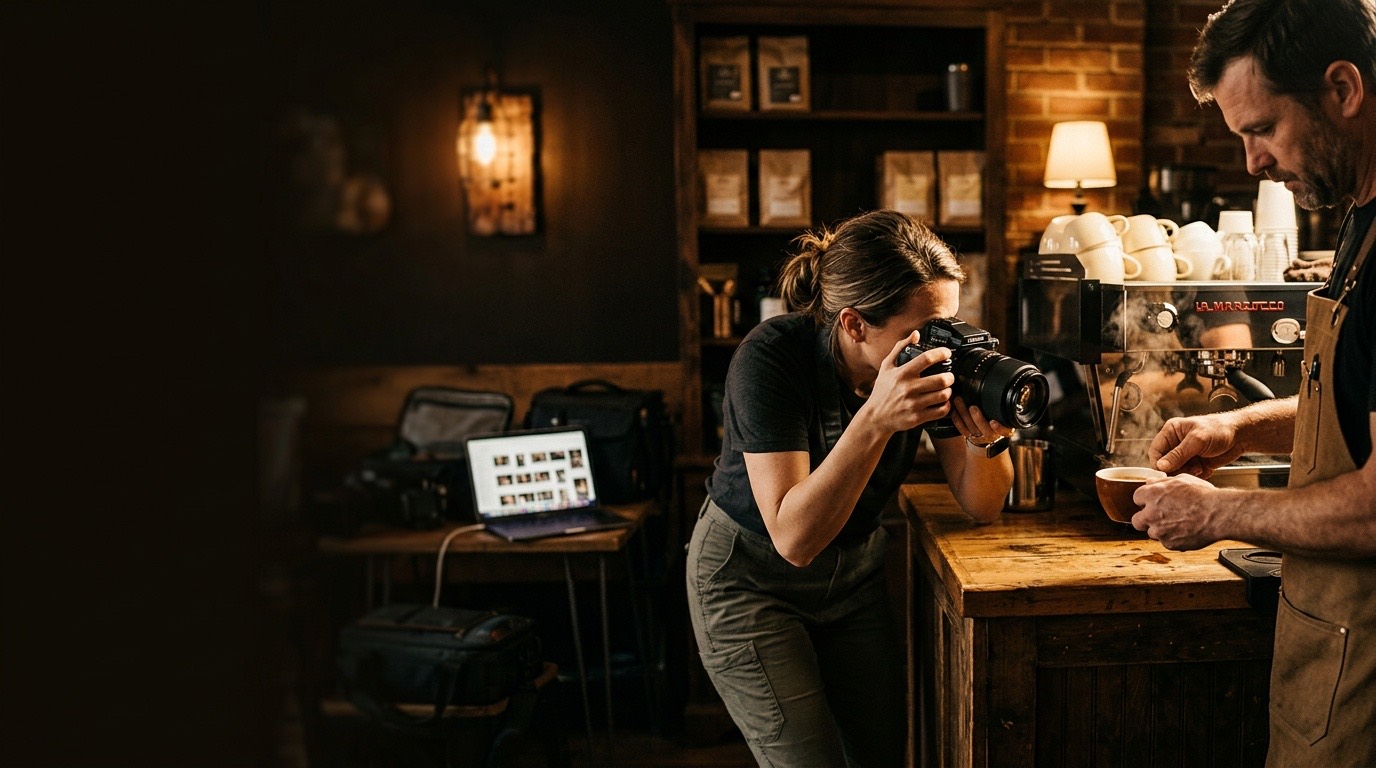
Here's what usually happens. A business books a team headshot session. The photographer shows up on time with good gear. Everyone gets photographed. The gallery comes back a week later and... it's fine. Half the team looks great. A few people are squinting. One guy wore a shirt that vibrates on camera. Somebody's in a polo, somebody else is in a full suit, and the whole set looks like it was shot at three different companies over five years.
Then the photos sit in a Dropbox folder because nobody wants to be the person who puts up a headshot wall where everyone looks mismatched.
That's not a photography failure. That's a prep failure. The photographer controls light, angle, and expression. They do not control whether your ops manager knew to bring a second shirt, whether the conference room had usable space, or whether anyone thought about how these images would get cropped for LinkedIn versus an email signature.
This is the checklist we send clients before a team session. Steal it. Run it yourself. Or hand it to whoever's coordinating the shoot and get out of the way.
Two Weeks Out: Decide What the Photos Are Actually For
Most teams book a headshot session without answering the single question that determines every other decision: where are these going to live?
The answer changes the shot list. Make the call now, not on shoot day.
Common destinations, and what each one needs:
- Website team page — usually a consistent crop, often square or a specific aspect ratio your site template requires. Check the template before the shoot. If your site crops to a circle, you need headroom you won't get if everyone's framed tight.
- LinkedIn profiles — square, cropped tighter, face reads clearly at thumbnail size. This is the one your team actually cares about most.
- Email signatures — tiny. Often circular. Needs to survive being displayed at maybe 80 pixels wide.
- Proposals, pitch decks, and sell sheets — often need more room around the subject so designers can crop or extend the background.
- Press, speaking bios, conference submissions — sometimes require higher resolution or a specific orientation.
You can get all of these from one sitting. You cannot get all of these if you don't ask for them. Tell your photographer the list up front and they'll frame wider than they otherwise would, giving you crop room in post.
Also decide: are you doing environmental shots?
A headshot is a headshot. An environmental portrait — someone at their desk, on the shop floor, in the truck, talking with a client — is a different setup, different lighting, and different time budget.
Environmental shots are usually the ones that end up on your homepage. Headshots go on the team page. If you want both, say so early and add time to the schedule. Trying to bolt this on at the end of the day never works; people are tired, the light's changed, and you're rushing.
Ten Days Out: Send the Wardrobe Rules (Yes, Rules)
"Wear whatever you're comfortable in" is how you get a gallery that looks like a crowd photo. Send actual guidance, in writing, and be specific.
Here's what works:
Say yes to:
- Solid colors in mid-to-deep tones — navy, charcoal, forest, burgundy, deep teal
- Simple necklines that don't compete with the face
- Well-fitted layers — a blazer or jacket adds structure and reads as intentional on camera
- Bringing a backup option in a different color
Say no to:
- Tight patterns, thin stripes, small checks, herringbone. These can create a moiré effect on digital sensors and look like the shirt is buzzing.
- Pure white tops on a light backdrop — the subject blends into the background
- Logo-heavy clothing unless it's your logo and that's the point
- Anything brand new that hasn't been worn yet. New shirts have fold creases. Fold creases show.
- Sunglasses on the head, lanyards, visible earbuds
The one rule people forget: iron the shirt, and iron it the morning of, not the night before. Fabric wrinkles on the drive over. Bring the shirt on a hanger and change on site if you have to.
Set a dress code tier, not a dress code
Instead of dictating exact outfits, pick a tier and let people work within it:
Pick one. Communicate it three times: in the initial email, in the calendar invite, and in a reminder text the day before. Someone will still show up in the wrong thing. That's why you ask for a backup option.
One Week Out: Schedule in Shifts, Not as a Free-for-All
The single biggest time-waster on a team shoot is people standing around waiting, or worse, nobody showing up for forty minutes and then eight people arriving at once.
Build a slot schedule. Assign every person a specific time window. Typical guidance:
- 5 to 8 minutes per person for straightforward headshots once the lighting is dialed in
- Add a buffer slot every 6–8 people for lighting adjustments, memory card swaps, and the inevitable person who's late
- Front-load the people who are hardest to pull away — owners, sales leads, anyone with client meetings
- Back-load the nervous ones if you can. Letting someone watch a few coworkers go first takes a lot of pressure off.
Send the schedule as a calendar invite, not an email. Emails get buried. Calendar invites ping people.
Plan for the no-shows now
Someone will be out sick. Someone will be at a job site. Decide in advance how you'll handle it — a make-up session, or a note in your process that new hires get photographed in their first month.
The make-up session is where consistency dies. If you shoot five people six weeks later with a different backdrop and different light, they'll look like outsiders on the team page. Ask your photographer to document the exact setup — backdrop, light positions, camera settings, lens — so it can be recreated.
Three Days Out: Prep the Space
Your photographer needs less room than you think and more room than you've offered.
Minimum viable space for a headshot setup:
- Roughly 10–12 feet of depth so the subject can stand away from the backdrop (this is what creates clean separation and soft background)
- Enough width for lights on both sides
- Access to power outlets
- Ideally, control over the ambient light — meaning you can close the blinds
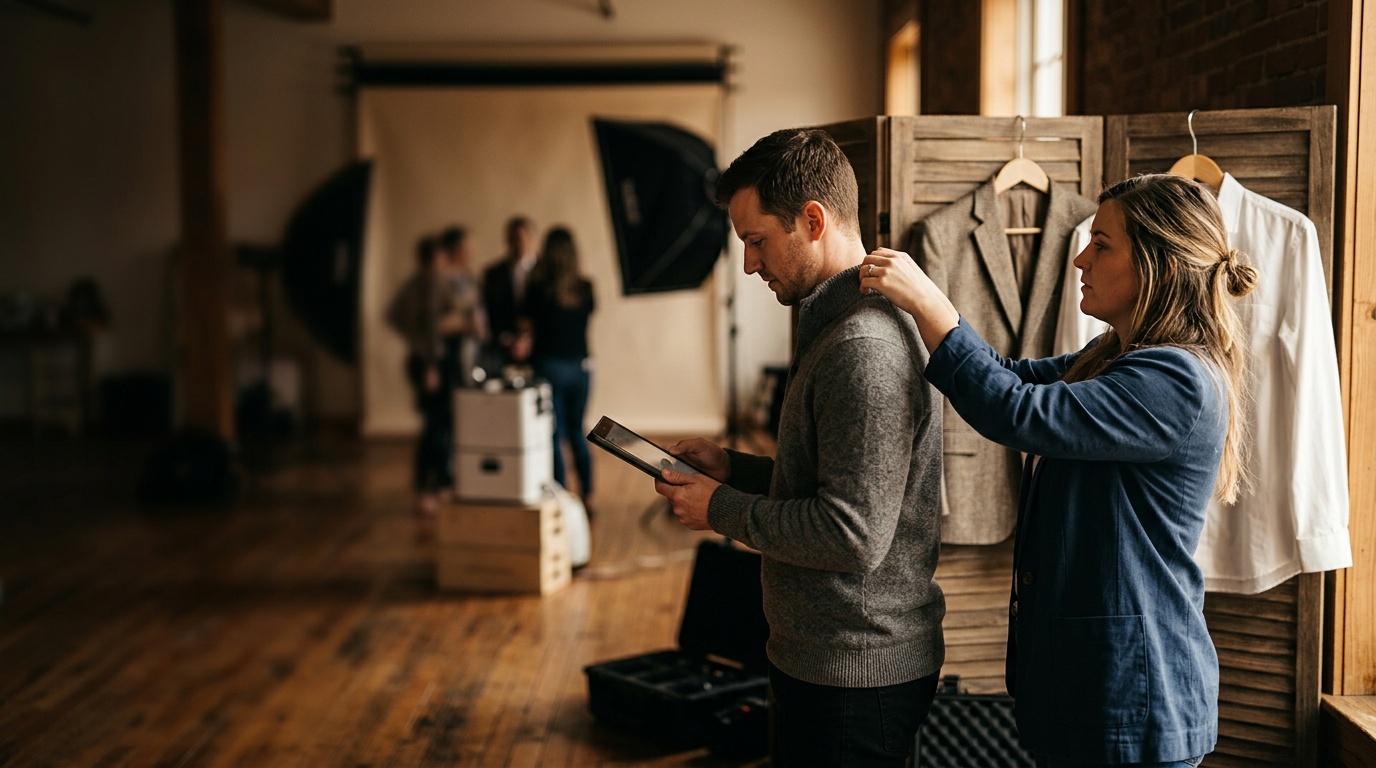
Clear the room the night before, not the morning of. Move the conference table. Stack the chairs somewhere else. If the photographer spends the first 30 minutes of a two-hour booking moving furniture, that's 30 minutes of shooting you paid for and didn't get.
Also useful and almost always forgotten:
- A full-length mirror near the shooting area
- A lint roller
- Blotting papers or powder for shine under lights
- A spot for people to hang backup outfits
- Water
Backdrop: pick one and commit
Your realistic options:
- Seamless gray or white — clean, corporate, endlessly flexible. Crops well, works on any website background, easy to replicate later.
- Dark/moody — strong for professional services that want a premium feel. Harder to match if someone needs a reshoot.
- On-brand color — works if you have a strong brand palette and the discipline to stick with it. Risky if your brand refresh is six months away.
- Environmental/office background — feels warm and real, but only if your space actually looks good. A blurred-out office with ceiling tiles and a fire extinguisher is not a background.
If you can't decide, shoot two: one clean seamless setup and one environmental. The seamless set becomes your standard; the environmental set gives your marketing team something with personality for social and the website. That's a reasonable ask as long as you budget the extra time.
Day Of: The Things That Actually Change the Photo
Tell people to arrive ten minutes early. Not to be photographed — to sit down, breathe, and stop being in "I'm rushing" mode. It shows on the face.
Warn them the photographer will direct them. People freeze because they don't know what to do with their hands, their chin, or their weight. A good photographer talks them through it. Telling your team in advance that they'll be coached removes the fear of "looking stupid."
Do not let people pull up their phone camera to check. It slows everything down and makes people self-conscious. Ask the photographer to show one image early so the team trusts the process, then keep moving.
Assign one internal point person who isn't being photographed for the first hour. They wrangle people, answer questions, and keep the schedule moving. Without this role, the photographer becomes the project manager and the quality drops.
After the Shoot: Lock In Your Standard
The gallery is not the finish line. Before you close the project:
Good team photography isn't a vanity expense. It's the visual proof that you're a real, organized, professional operation — which matters a great deal when a prospect is comparing you to two competitors and all three of you have similar pricing.
If you're planning a team shoot in London, Corbin, Somerset, Richmond, or Lexington and you'd rather hand off the logistics than run this checklist yourself, book a strategy call. We'll walk through your team size, your space, and what the photos need to do — then build the schedule and shot list around it. Learn more about our photography services while you're at it.
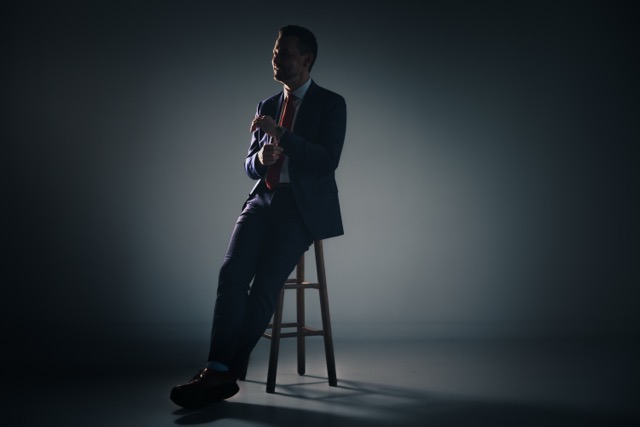
Founder & Director of Photography, Envision Media Co. · London, KY
Cody has run camera on 300+ shoots for 50+ businesses across southeastern Kentucky since 2022, from Somerset marinas to Corbin contractors to Lexington retail. He still shoots most jobs himself, which is where the specifics in these posts come from. More about Cody.
Ready to Grow?
Let's Build Something Together
Want results like the ones we write about? Book a free strategy call and let's make it happen.